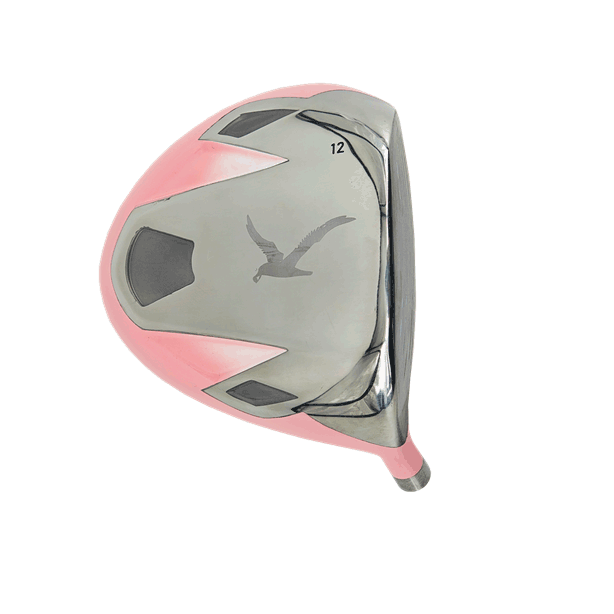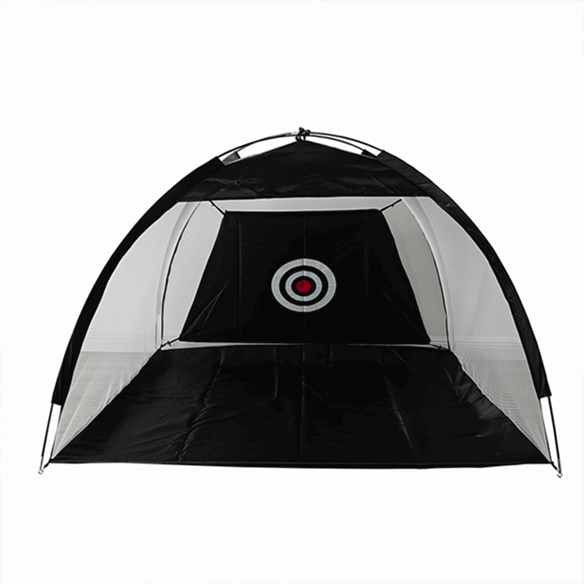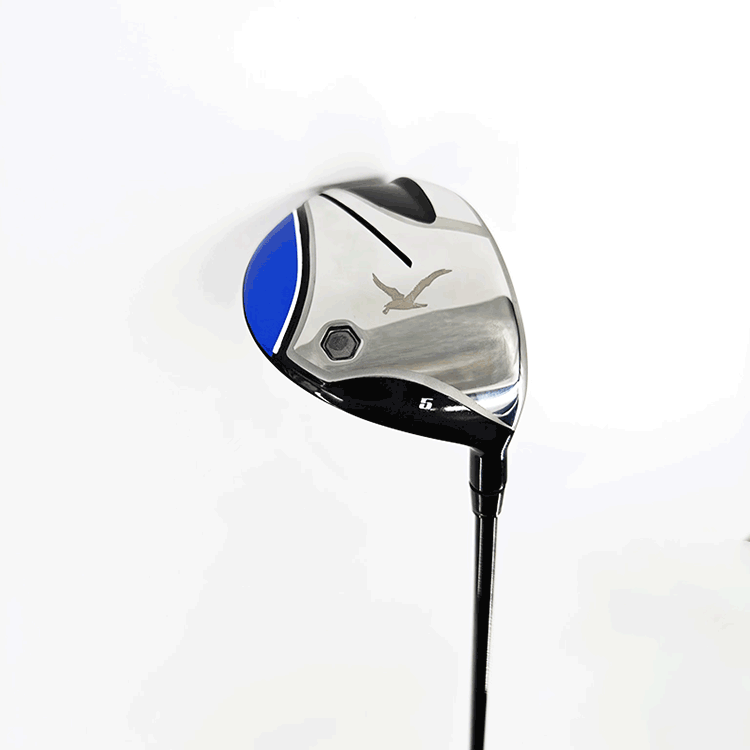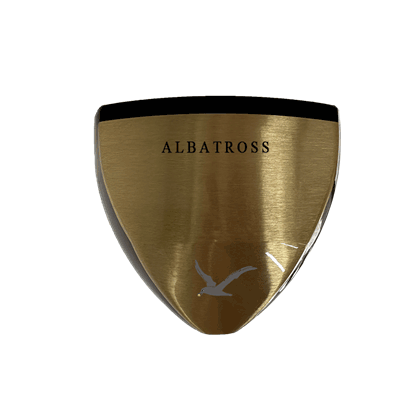
Park golf clubs are simplified golf instruments designed specifically for park golf, a recreational sport that originated in Japan. Unlike traditional golf, park golf uses shorter courses, larger balls, and fewer clubs. The goal is not only competition but also accessibility and enjoyment for people of different skill levels.
These clubs are typically made with lightweight materials and optimized for ease of swing, making them ideal for seniors, beginners, and recreational players who want a low-barrier entry into golf-like sports.
Park golf clubs differ significantly from standard golf clubs in structure and functionality. The design focuses on simplicity, durability, and controlled impact rather than maximum distance or advanced shot shaping.
These design differences make park golf clubs highly practical for community sports environments and casual play.
One of the main reasons players switch to park golf clubs is performance consistency. Even beginners can achieve stable ball trajectories due to the forgiving club design.
By lowering technical difficulty, park golf clubs allow players to focus more on strategy and enjoyment rather than mechanical precision.
Material selection plays a critical role in performance and durability. High-quality park golf clubs offer natural solid wood, carbon composites, and reinforced grips.
| Component | Common Material | Benefit |
|---|---|---|
| Club Head | Natural solid wood | Durability and consistent impact |
| Shaft | Graphite | Lightweight swing control |
| Grip | Genuine leather/PU/rubber/TPE | Anti-slip comfort |
Premium manufacturing ensures stability even after long-term use, which is essential for both recreational and semi-professional environments.
Selecting the right park golf clubs depends on your skill level, physical condition, and playing environment. Below are key factors to consider:
For commercial buyers or sports facilities, consistency across sets is also important for maintaining fair gameplay standards.
| Feature | Park Golf Clubs | Traditional Golf Clubs |
|---|---|---|
| Number of Clubs | Usually 1 | Multiple (up to 14) |
| Learning Curve | Easy | Moderate to difficult |
| Course Length | Short (park-based) | Long (full golf courses) |
| Target Users | Beginners, seniors, families | Advanced and competitive players |
Proper maintenance ensures longevity and performance stability. Park golf clubs are relatively easy to maintain but still require routine care.
Consistent maintenance can significantly extend the lifespan of your equipment, reducing replacement costs over time.
Many beginners make avoidable mistakes when purchasing or using park golf clubs. Understanding these pitfalls can improve both performance and satisfaction.
Avoiding these mistakes helps ensure a smoother learning experience and better long-term results.
Q1: Are park golf clubs suitable for beginners?
Yes, they are specifically designed for ease of use and simplified gameplay.
Q2: Can one club really be enough for the entire game?
In most park golf formats, a single club is designed to handle all shot types.
Q3: What is the average lifespan of a park golf club?
With proper maintenance, high-quality clubs can last several years.
Q4: Are park golf clubs heavy?
No, they are designed to be lightweight and easy to handle.
Park golf clubs offer a unique combination of simplicity, accessibility, and performance. They are ideal for recreational sports environments, community parks, and users who prefer a relaxed yet engaging sporting experience.
For high-quality manufacturing and reliable performance, Zhangzhou Albatross Sports Technology Co., Ltd. provides professionally engineered park golf clubs designed to meet international standards. Their product line emphasizes durability, comfort, and user-friendly design, making them suitable for both individual players and commercial operators.