Article Summary: This comprehensive guide provides a detailed analysis of Golf Irons, including specifications, usage techniques, maintenance tips, and common questions. Learn how to select the right Golf Irons, improve your performance on the course, and understand industry standards.
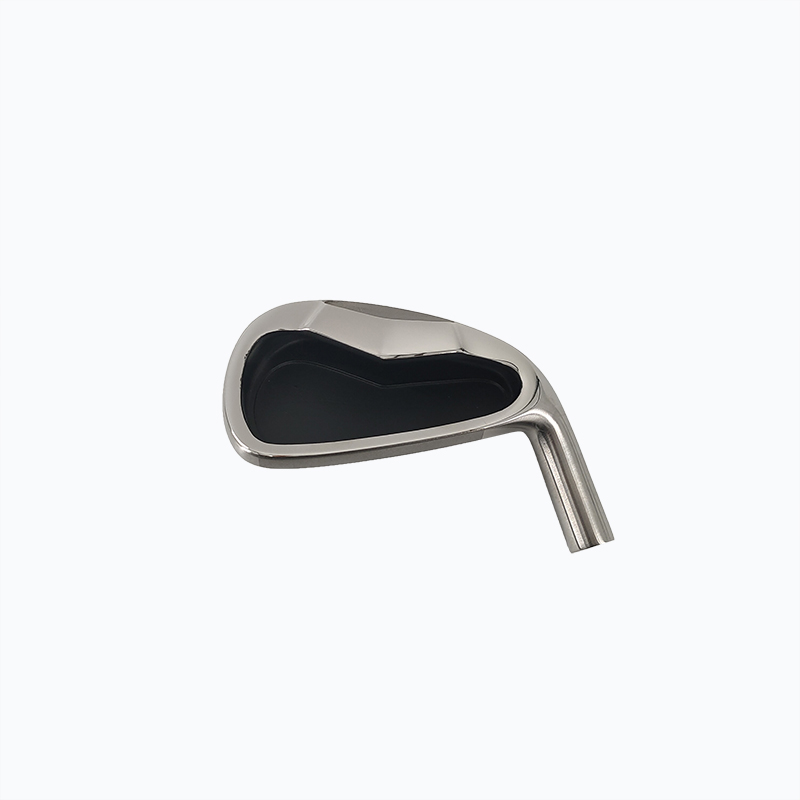
Golf Irons are essential clubs used in various distances and scenarios on the golf course. Each iron is designed to achieve different ball trajectories and levels of precision. They are categorized numerically, typically from 3-iron to 9-iron, along with specialized wedges for approach shots. Modern irons combine materials such as stainless steel, carbon steel, and sometimes titanium to optimize weight distribution and performance.
This guide focuses on providing detailed specifications to help golfers make informed decisions. Below is a professional specification table for standard Golf Irons:
| Iron Type | Loft Angle (°) | Lie Angle (°) | Shaft Material | Length (inches) | Recommended Swing Speed (mph) |
|---|---|---|---|---|---|
| 3-Iron | 21 | 60 | Steel/Graphite | 39 | 85-100 |
| 4-Iron | 24 | 61 | Steel/Graphite | 38.5 | 80-95 |
| 5-Iron | 27 | 62 | Steel/Graphite | 38 | 75-90 |
| 6-Iron | 31 | 63 | Steel/Graphite | 37.5 | 70-85 |
| 7-Iron | 34 | 63.5 | Steel/Graphite | 37 | 65-80 |
| 8-Iron | 38 | 64 | Steel/Graphite | 36.5 | 60-75 |
| 9-Iron | 42 | 64.5 | Steel/Graphite | 36 | 55-70 |
Selecting the appropriate Golf Irons requires careful evaluation of several factors: swing speed, skill level, and preferred shot trajectory. Game improvement irons may feature larger clubheads and perimeter weighting to provide forgiveness, while blade irons offer precision for advanced players. Key points include:
Consulting professional fittings and using launch monitors can further enhance the selection process. Correctly chosen irons can optimize performance, accuracy, and consistency across the golf course.
Proper usage and maintenance of Golf Irons directly influence longevity and performance. Techniques include:
A1: Start by assessing your swing speed and typical shot distances. Use a launch monitor or professional fitting to measure ball flight characteristics. Lower lofts generate longer, lower shots, while higher lofts create higher trajectory and shorter distances, aiding approach shots.
A2: Replacement frequency depends on wear and technological advancements. Signs include worn grooves, compromised shaft integrity, or outdated design affecting performance. Most avid golfers review their equipment every 3-5 years, while professionals may upgrade annually.
A3: Accuracy is enhanced through a combination of proper setup, consistent swing mechanics, and routine practice. Focus on controlling clubface angle, optimizing ball contact, and fine-tuning trajectory with varying lofts. Professional coaching and video analysis can significantly shorten the learning curve.
Golf Irons remain a cornerstone of any golfer’s equipment, with careful selection and proper usage key to consistent performance. Understanding specifications, choosing suitable clubs, and maintaining them correctly ensures long-term value and optimized play. For premium-quality Golf Irons that combine performance, durability, and precision engineering, Albatross Sports provides a comprehensive range tailored to diverse skill levels.
For further inquiries or to explore the full range of Golf Irons, contact us today for expert assistance and recommendations.