A notable shift in the golf equipment market in recent years is the transition of stand bags from "driving range accessories" to "primary on-course gear." An increasing number of golfers are moving away from traditional, bulky cart bags in favor of stand Golf Bags—which are lighter and offer the versatility of being carried or propped up on their own legs. However, amidst the trend toward lightweight designs, the core of brand competition now lies in how to achieve weight reduction without compromising storage capacity, waterproofing, or stand stability.
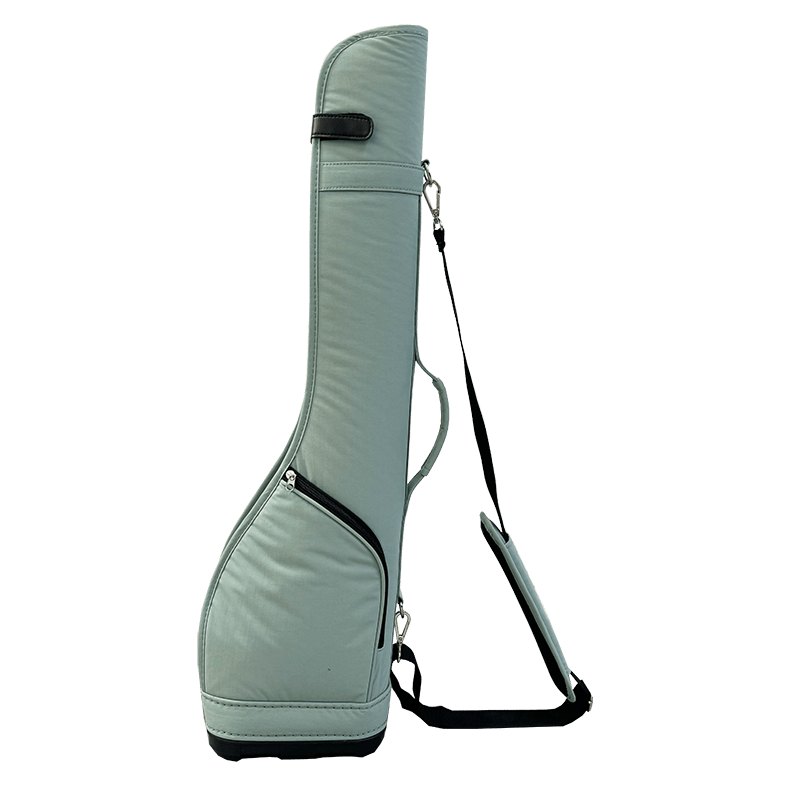
Historically, the golf bag market—particularly in North America—was dominated by cart bags; since golfers relied on carts, bag weight was not a primary concern. However, with the rising popularity of walking the course, short-game practice, and golf travel, stand bags have seen increased market penetration thanks to their flexibility—allowing golfers to carry them easily and set them down anywhere.
Retailers report that sales growth for Golf Bags is outpacing that of cart bags in certain regions, with particularly strong performance among younger golfers, female golfers, and in Asian markets. In Japan and South Korea, the prevalence of both indoor and outdoor practice environments has further fueled demand for lightweight stand bags. Meanwhile, the US market has been influenced by the trend of "fitness walking" on the course; as more clubs permit or encourage walking, the stand bag has become the natural choice.
The primary selling point of a stand Golf Bags is its low weight. While a standard stand bag used to weigh between 2.7 and 3.2 kilograms, mainstream products today generally range from 2.2 to 2.6 kilograms, with some high-end models dropping to around 1.8 kilograms. This weight reduction is largely due to simultaneous upgrades in materials and structural design.
In terms of fabrics, materials such as ripstop nylon, high-strength polyester, and TPU coatings are increasingly replacing traditional, heavy canvas; these modern materials significantly reduce weight while maintaining durability. Stand systems have evolved from traditional steel legs to aluminum alloy, carbon fiber, or fiberglass composites, reducing weight while enhancing resistance to bending and improving stability and spring-back performance. Some brands incorporate damping mechanisms into the stand's hinge joints to prevent the legs from snapping back too quickly, which could cause noise or pose a risk of pinching fingers.
Shoulder strap systems are also shedding weight. Thicker memory foam has been replaced by thinner, high-rebound foam; combined with an ergonomic curved design, this distributes pressure during carry rather than relying solely on material thickness.
Lightweight design does not mean sacrificing functionality. On the contrary, stand bags must pack more practical features into a lighter frame, placing higher demands on engineering capabilities.
Mainstream stand bags typically feature 5 to 7 pockets, including a full-length apparel pocket, a velour-lined valuables pocket, a dedicated shoe compartment, an insulated beverage pocket, and a quick-access ball pocket. Top dividers have evolved from the traditional 4-way configuration to 5-way, 6-way, or even full-length divider systems to minimize club tangling. Weight reduction is achieved primarily through thinner pocket fabrics, lighter zippers, and optimized internal partitioning, rather than by reducing the number of pockets.
Waterproofing is another critical factor. Golfers often play in morning dew, light rain, or damp conditions; if a lightweight bag sacrifices water resistance, the playing experience suffers significantly. An increasing number of brands are utilizing seamless heat-sealed construction, waterproof zippers, and quick-drying linings, allowing stand bags in the 2-kilogram class to withstand heavy downpours. Some products even achieve an overall waterproof rating of IPX4 or higher while keeping the total weight under 2.4 kilograms.
Stand stability is the area where stand bags are most prone to failure. Lightweight legs lacking structural integrity can easily tip over on slopes or soft ground. To address this, brands commonly employ three-point support systems, widened bases, and non-slip foot pads. High-end models feature adjustable leg angles to adapt to various terrains. Some brands also lower the center of gravity—positioning the heavier club heads closer to the stand's pivot point—to enhance stability and resistance to tipping.
Faced with growth opportunities in the stand bag market, brand strategies have clearly diverged. Established major manufacturers (such as Titleist, Callaway, TaylorMade, and Ping) have opted for incremental innovation within their mature product lines. Rather than pursuing extreme weight reduction, they balance functionality and durability within a "sweet spot" of 2.2 to 2.8 kilograms. For instance, Ping’s Hoofer series maintains full-sized pockets and durable stands while keeping the weight around 2.5 kg, whereas Callaway’s Fairway series emphasizes value for money without compromising on features.
Up-and-coming DTC brands (such as Vessel, MNML, and Ghost Golf) are more aggressively embracing lightweight designs and stylish aesthetics. Vessel launched its Player series featuring carbon-fiber stands—weighing just 2.0 kg—while retaining a premium leather feel and offering custom embroidery; MNML appeals to younger golfers with minimalist designs, highlighting versatility for both "urban commuting" and on-course play. Although these brands command higher prices, they have successfully tapped into niche markets through social media and personalized services.
It is worth noting that high-end lightweight bags do not necessarily render traditional bags obsolete. Cart bags still offer an irreplaceable capacity advantage during hot summers, long-distance travel, or when carrying bulky clothing. Consequently, stand bags are more likely to serve as a golfer's "second bag" or primary bag, rather than completely replacing the cart bag.
Industry experts anticipate that stand bags will continue to evolve in three directions over the next two years:
First, further weight reduction. As the costs of new materials—such as ultra-high-molecular-weight polyethylene (UHMWPE) fibers and graphene-reinforced composites—decline, stand bags in the 1.5–1.8 kg range will move beyond the concept stage.
Second, the integration of smart features. Lightweight bags offer space to incorporate technologies like GPS tracking, Bluetooth anti-loss systems, electronic scales, and even solar charging modules. These features will likely debut on high-end lightweight models as key selling points for differentiation.
Third, the use of sustainable materials. Recycled PET fabrics, bio-based TPU, and recyclable stand materials are entering the supply chain. The combination of lightweight design and eco-friendliness could become a central theme in brand marketing for the next phase of development.
Have stand Golf Bags become the mainstream choice? Judging by growth trends and consumer preferences, it has shed the stereotype of being merely for "driving range use" and has become a top choice for many golfers heading out to the course. Striking the right balance between portability and functionality is the key factor determining whether this category can continue to expand; the brands that excel in this regard are redefining what a golf bag should be.