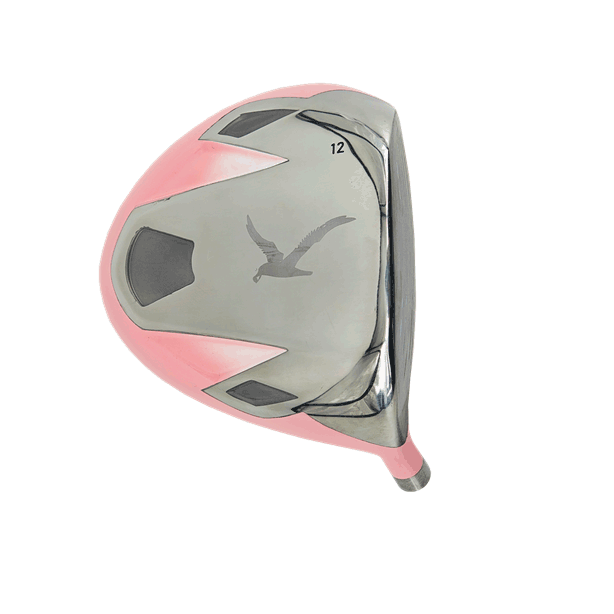
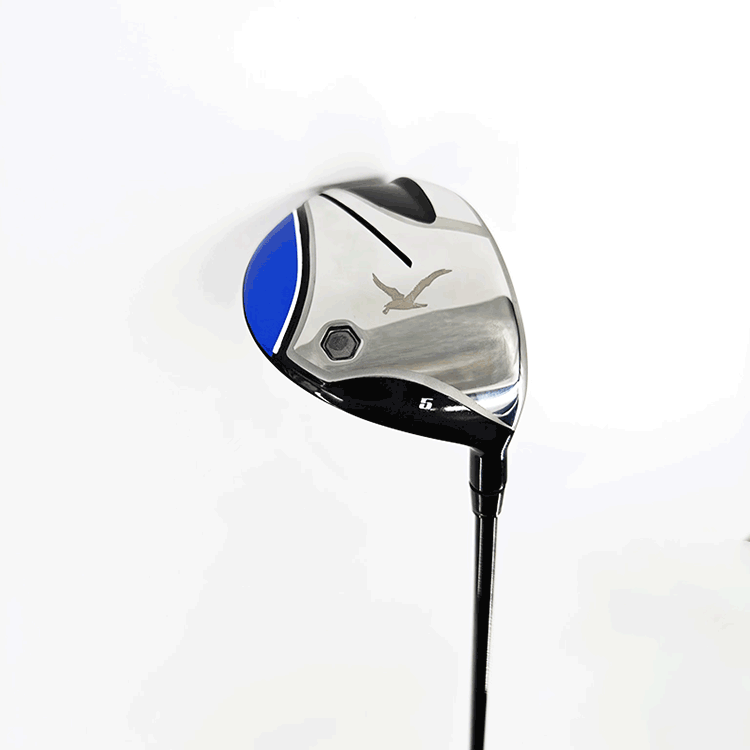
For most first-time golfers, buying a full 14-club set feels like the obvious first step — more clubs must mean better performance, right? For sports retailers and wholesale buyers, stocking complete sets has long been treated as a no-brainer inventory choice. But as the global golf equipment landscape shifts in 2026, industry data tells a different story: when it comes to golf clubs sets, more is not always better.
Fueled by surging casual participation, youth golf academy expansion, and the booming indoor simulator scene, the global golf equipment market is on track for steady growth. Industry analysts project the golf clubs segment — which makes up over 42% of total equipment revenue — will grow at a 4.37% CAGR through 2031. Within this category, complete sets are the fastest-growing product line, driven largely by entry-level and lifestyle-focused players rather than tournament professionals.
Misinformation runs deep in the golf gear space, clouding buying decisions for both consumers and business buyers. Here’s what industry insiders want you to know:
Reality: While USGA rules allow a maximum of 14 clubs in a round, over 60% of amateur golfers only use 6–8 clubs consistently during a typical 18-hole round. For beginners, extra long irons and specialty wedges often go unused, adding unnecessary cost and weight. Many budget sets on the market pad their club count with low-quality, poorly lofted clubs just to hit the “14-piece” marketing claim, resulting in inconsistent distance gaps and poor performance.
Reality: Material choice depends entirely on swing speed and player preference, not price tag. Carbon fiber shafts are lighter and help generate more clubhead speed for slower-swinging beginners, seniors, and women. Steel shafts, by contrast, offer more precise feedback and control for faster-swinging intermediate and advanced players. A high-quality steel shaft set will often outperform a cheap carbon fiber set for the right user.
Reality: Many budget brands sell “one-size-fits-all” sets, or simply shrink adult clubs for women and junior players. In practice, women typically have slower swing speeds and shorter arm lengths, while junior players need progressive shaft flex and grip sizes as they grow. This mismatch has created fast-growing demand for purpose-built women’s lightweight sets and age-specific junior gradient sets — two of the highest-growth SKUs in 2026.
Reality: Premium tour-level sets are engineered for low-handicap players with consistent swings, with smaller sweet spots and more workable clubfaces. For high-handicap beginners, an expensive pro set will actually be harder to hit well than a mid-priced entry set designed specifically for maximum forgiveness.
Gone are the days when golf sets were just a collection of individual clubs thrown into a bag. Today’s leading manufacturers are building sets as integrated systems, with three key innovations leading the charge:
Systemized distance gapping: Brands now design entire sets together to ensure even 10–15 yard gaps between every club, eliminating distance overlaps that waste slots in the bag.
Multi-material weight optimization: Titanium clubfaces paired with tungsten perimeter weighting expand the sweet spot without adding excess weight, while advanced carbon fiber layup tech lets engineers tune shaft flex and kick point for specific skill levels.
Smart integrated sets: A growing number of mid-tier and premium sets now embed lightweight swing sensors in the grip, syncing with mobile apps to track swing speed, face angle and impact position — turning a standard set into a personal training tool.
Beginners (0–1 year experience): Opt for an 8–10 club entry set. Prioritize perimeter-weighted irons, hybrid rescue clubs and lightweight shafts. Skip the full 14-club setup — you’ll save money and get better performance from clubs you actually use.
Intermediate players (1–3 years): Look for 10–12 club sets with dedicated gap wedges and multiple fairway woods. Focus on consistent feel across the set and adjustable driver options.
Advanced & competitive players: Invest in a custom-fitted 14-club set, with tailored shaft flex, lie angle and grip size matched to your swing metrics.
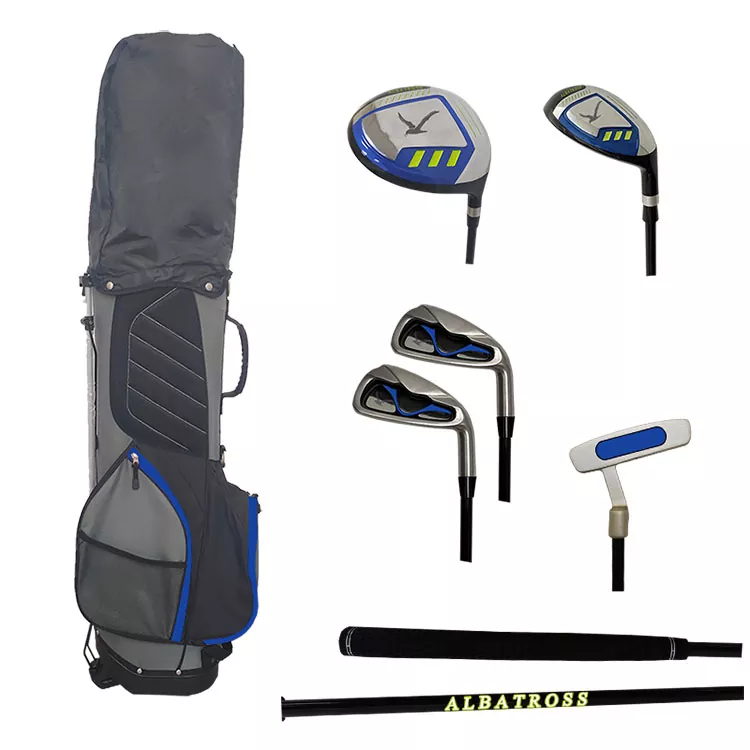
Entry-level beginner bundles (with stand bag): Top-selling SKU across North America, Europe and Southeast Asia, driven by new player growth.
Women’s complete lightweight sets: Fastest-growing consumer segment, with 6.2% year-over-year growth according to retail data.
Age-specific junior sets: Steady demand from golf academies and family retail channels.
Simulator-optimized partial sets: Emerging B2B demand from indoor golf venues seeking durable, consistent-performing club sets for public use.
The golf clubs sets market is splitting into two distinct paths as it matures. On the volume side, affordable, entry-level sets will continue to dominate sales as golf becomes a more accessible casual sport. On the value side, custom-fitted, segment-specific and smart-enabled sets will capture higher margins for brands that can deliver targeted performance.
For everyone in the space — from casual players picking their first set to suppliers sourcing inventory — the core lesson remains unchanged: the best golf set is not the one with the most clubs, but the one that fits the user’s actual needs. As the industry evolves, manufacturers and sellers that prioritize proper engineering, clear segmentation and flexible customization will be best positioned to win.