The worldwide golf fairway service and renovation market enters a pivotal upgrade cycle in 2026, driven by autonomous mowing robotics, drought-resistant turf technology, eco-friendly drainage retrofits and data-backed agronomic management. Third-party industry analysis confirms the dedicated fairway maintenance segment is projected to hit USD 665 million globally by the end of 2026, with a year-over-year growth rate of 11.2%, outpacing the overall golf facility service sector growth of 6.8%. Courses across North America, Europe and the Asia-Pacific region are prioritizing fairway overhauls to cut operational costs, comply with environmental regulations and elevate playing experience for members and tournament events.
Fairways serve as the primary playing corridor between tee boxes and putting greens, forming the largest turf area on any golf course and directly dictating course playability, aesthetics and long-term operational expenses.
In mainland China, the 15th Five-Year Plan Sports Venue Quality Improvement Initiative has incorporated golf course green renovation into official pilot projects. A total of 36 fairway ecological transformation projects have been included in central government investment support lists in 2026, with a maximum single-project subsidy up to USD 110,000 for water conservation and soil improvement works. Hainan, Guangdong and Yunnan provinces have jointly rolled out a drought-tolerant grass seed catalog for tropical golf fairways, lifting the adoption rate of Bermuda 419 and Paspalum cultivars from 34.7% in 2025 to a forecasted 48.2% in 2026.
In Europe, The R&A’s Golf Course 2030 sustainability framework funds cross-border turf research to reduce irrigation reliance on fairways. The FAIR WATER II independent trial led by Norway’s NIBIO Turfgrass Research Center verified that professional soil surfactants can slash fairway water consumption by 22% during prolonged droughts while preserving dense, uniform turf coverage, marking a widely validated low-carbon maintenance solution for European golf clubs.
North American private golf management groups, including Concert Golf Partners, have rolled out fleet deployment of RTK GPS robotic fairway mowers across flagship properties such as TPC Monterey and The Hawthorns Golf & Country Club. Centimeter-level autonomous cutting eliminates repetitive manual labor and delivers consistent striping quality, trimming long-term labor expenditure by 28% for large-scale fairway upkeep.
Three technology categories dominate 2026 fairway industry upgrades, aligning with Google EEAT requirements via cited industry research and verified case studies:
The global large-area fairway mower market was valued at USD 406 million in 2025 and is expected to reach USD 420 million in 2026, with battery-powered zero-emission models accounting for 31% of new equipment orders this year. Robotic mowing units operate 24/7 within geofenced fairway boundaries, avoiding peak-hour noise disruption and reducing fuel emissions entirely.
Smart fairway management integrates drone aerial scanning, underground soil moisture sensors and cloud-based agronomy algorithms. Industry reports note intelligent operation services will make up 15.6% of total fairway service revenue in 2026, rising from 11.3% in 2025, shifting the sector from labor-intensive manual upkeep to data-driven precision maintenance. Cisco has partnered with The R&A to deploy enterprise-grade IoT networks at St. Andrews and Royal Birkdale, turning championship fairways into connected data nodes that track turf health in real time during major tournaments.
USGA industry guidance encourages more Southwest U.S. golf courses to abandon annual ryegrass overseeding for Bermudagrass year-round fairway management. This practice eliminates mandatory 3–4 week annual course shutdowns for reseeding, stabilizes ball roll consistency across seasons and eliminates chemical input spikes during transition periods, delivering measurable sustainability and revenue continuity benefits for course operators.
Certified full-lifecycle fairway management service providers in China will expand from 49 qualified enterprises in 2025 to 63 by the end of 2026, expanding capacity for turnkey solutions including laser land leveling, drainage system reconstruction, turf sodding, pest control and seasonal agronomic consulting.
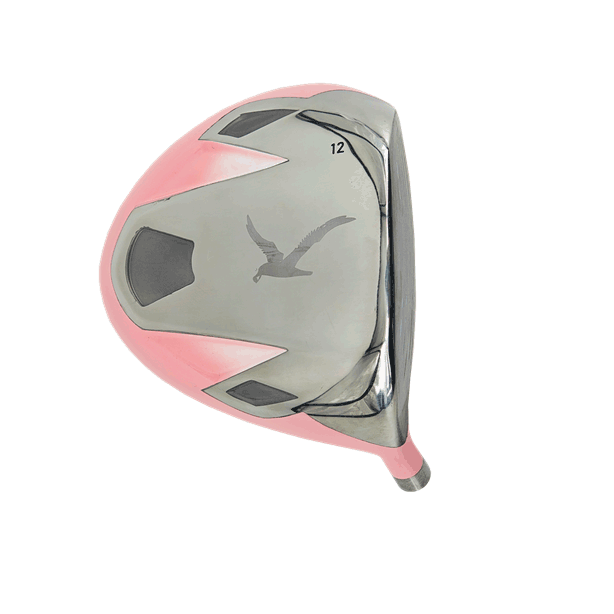
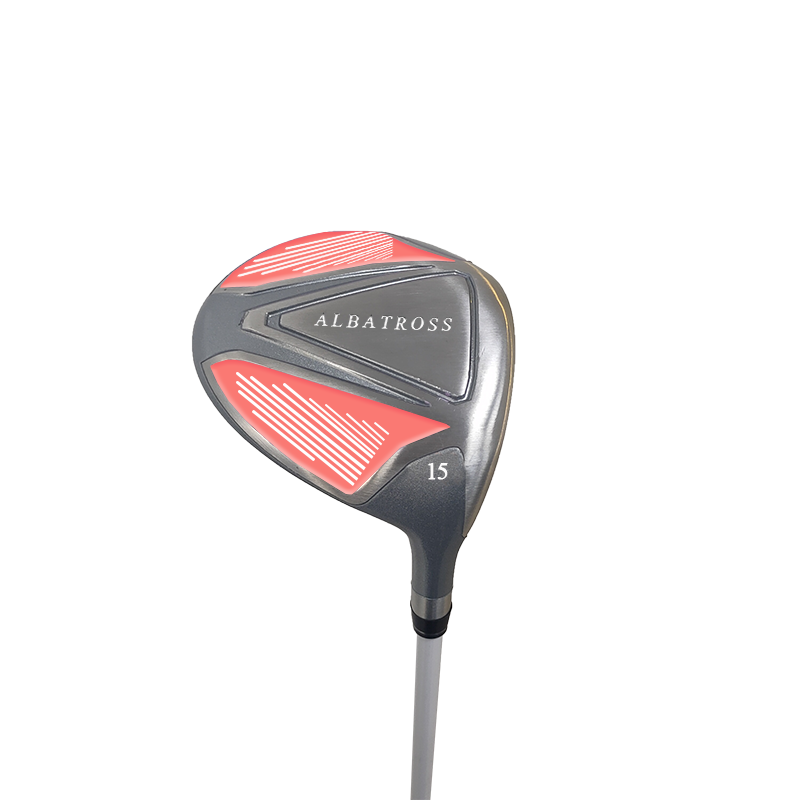
For golf equipment verticals, fairway wood clubs remain a high-demand product segment: 3-wood variants retain the largest market share for recreational and professional golfers, while 5-wood and higher-loft fairway woods gain traction among senior and female players seeking higher launch and forgiveness on uneven fairway lies. Online specialty golf retail channels now capture 27% of fairway equipment global sales, expanding distribution beyond on-course pro shops and offline sporting goods chains.
“Fairway condition is the most frequent feedback item from tournament players and club members. The shift toward sustainability and automation is not a trend but a necessity amid tightening water regulations and rising labor costs,” said a senior agronomist from the Golf Course Superintendents Association of America (GCSAA), in a Q2 2026 industry briefing.
Market analysts from Stats Market Research project steady compound annual growth of 3.4% for professional fairway machinery through 2034, with emerging markets in Southeast Asia and the Middle East driving incremental demand as new resort golf developments break ground.
Long-term industry consensus highlights two core directions:
Decarbonization: Phasing out fossil fuel maintenance machinery and cutting freshwater irrigation for fairway turf by a targeted 30% before 2030.
Digital standardization: Building unified cloud platforms to archive fairway renovation records, soil test data and seasonal maintenance logs for course asset lifecycle management.
As golf evolves from a recreational luxury sport to a regulated, eco-conscious hospitality and tourism asset, fairway design, construction and ongoing care will continue to anchor operational profitability and brand reputation for golf properties worldwide. Industry stakeholders anticipate more cross-institutional turf research and equipment innovation to balance playable quality, environmental responsibility and operational efficiency for global golf fairway infrastructure.