When professional golfers sink a precise chip shot near the green, or amateur players attempt a long-distance drive for the first time, they may not realize that every performance breakthrough of their clubs lies in the context of material evolution. From solid hardwoods a century ago to composite alloys that withstand kilopascal-level impact today, the advancement of golf club materials has long transcended "tool upgrades"—it has become a microcosm of the intersection between sports technology and human experience.

As the "original pioneer" of golf clubs, solid wood is no longer the mainstream choice for long-distance drivers. Yet, with the unique warm texture of high-density hardwoods like persimmon and walnut, it still holds its ground in the driver heads of some experienced golfers. These hand-polished solid wood heads (crafted by artisans) not only deliver clear feedback at the moment of impact—allowing golfers to precisely capture the details of contact between the clubface and ball—but also carry the cultural memories of how this sport evolved from rural clubs to global arenas. However, limited by material properties, solid wood heads typically weigh 200-250g, with strength 30% lower than metal. They require regular oiling and maintenance to prevent cracking, making them more suitable for seasoned players with stable swings who pursue "pure feel."
Steel materials, divided into carbon steel and stainless steel, have become the backbone of the iron (3-9 irons) market. This is not only because carbon steel—with a yield strength of 600MPa—can withstand 5-8 years of frequent use (nearly three times more durable than solid wood), but also because stainless steel’s rust-resistant property means clubs need no frequent maintenance even when exposed to outdoor humid environments for long periods. For budget-conscious beginners, the cost of a single steel iron is only 1/3 that of titanium alloy products, which undoubtedly lowers the barrier to entry for this sport. Data shows that steel irons account for a staggering 90% of entry-level golf club sets, serving as a key bridge between "novices" and "intermediate players."
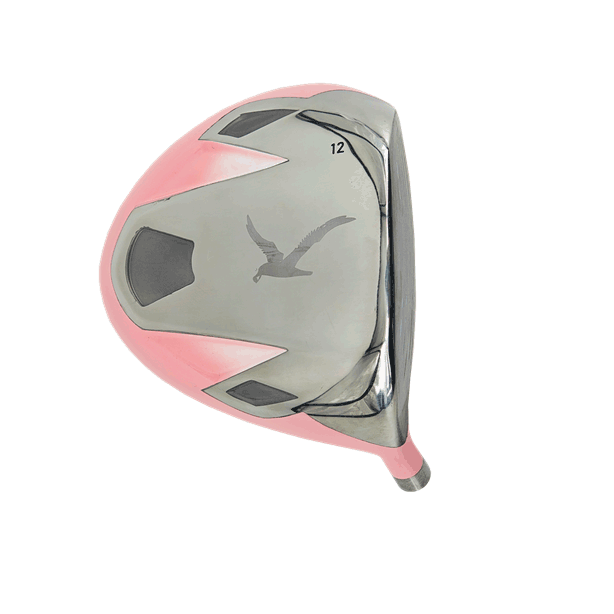
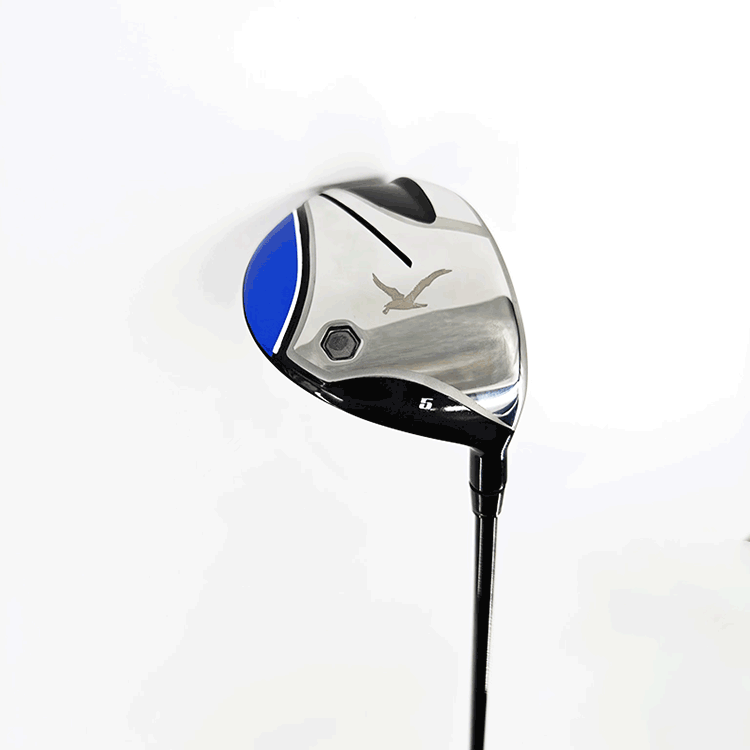
Titanium alloy, which has completely transformed the driving experience, is hailed as an industry revolution for its "light yet strong" properties. With a density of only 4.5g/cm³ (40% lighter than steel) and a tensile strength of 1100MPa, engineers can create extra-large club heads with a volume of 460cc (the maximum legal limit). Imagine: without the breakthrough of titanium alloy, how could amateur golfers easily achieve a 15-20 yard increase in driving distance compared to steel heads? How could forgiveness be improved by 25% to reduce errors caused by swing deviations? Today, titanium alloy drivers account for over 80% of the high-end driver market, making them the top choice for professional players and enthusiasts pursuing "distance limits."
Carbon fiber takes "weight reduction and efficiency enhancement" to the extreme. Primarily used for shafts, a single carbon fiber shaft weighs only 30-50g—30% lighter than a steel shaft. This means golfers can increase their swing speed by 5-8mph, and this seemingly small speed gain is exactly the key to breaking the "distance bottleneck." More notably, by adjusting the weaving direction of carbon fiber, engineers can customize shaft stiffness: senior golfers with slow swing speeds can choose high-flex shafts to reduce exertion, while professional players with fast swing rhythms can use high-stiffness shafts to precisely control shot direction. This "tailored-for-individuals" adaptability has pushed the penetration rate of carbon fiber shafts in the mid-to-high-end market to 65%.
| Material Type | Core Characteristics | Applicable Parts | Key Data | Target Users |
|---|---|---|---|---|
| Solid Wood | Warm texture, cultural heritage | Driver heads | Weight: 200-250g; Lower strength | Experienced golfers, traditional feel seekers |
| Steel | High durability, moderate cost | 3-9 irons | Yield strength: 600MPa; Service life: 5-8 years | Beginners, cost-conscious intermediate users |
| Titanium Alloy | Lightweight & high-strength, high forgiveness | Driver/fairway wood heads | Density: 4.5g/cm³; Distance +15-20 yards | Pros, long-distance pursuers |
| Carbon Fiber | Ultra-light, shock-absorbent, customizable stiffness | Club shafts | Weight: 30-50g; Swing speed +5-8mph | All users (customized by swing speed) |
Today, golf club materials have long entered the era of "hybrid customization." Combinations of titanium alloy heads and carbon fiber shafts have become mainstream, and some brands even experiment with composite heads (blending carbon fiber and titanium alloy) to further balance strength and feel. As technology continues to inject new possibilities into materials, golf—as a sport—is embracing every swing enthusiast with a more inclusive stance.